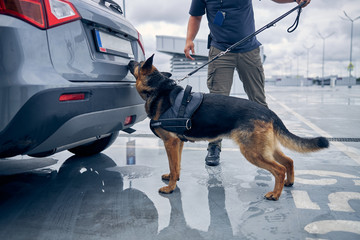
Is Shoplifting a Felony in Tennessee?

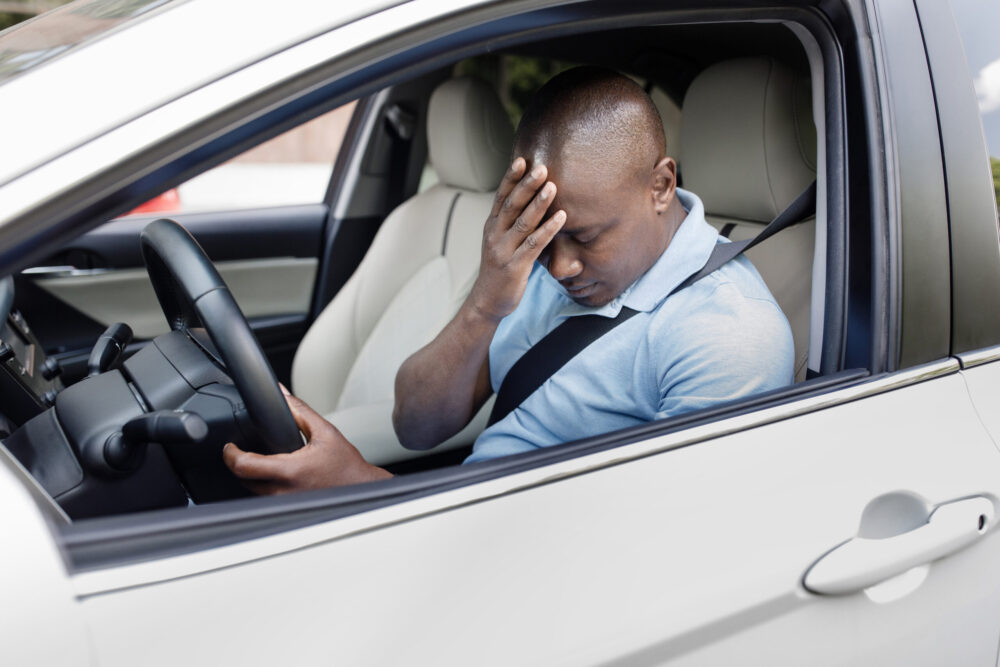
Sobriety checkpoints are legal in many states throughout the country, and this certainly includes Tennessee. As such, if you are stopped at a sobriety checkpoint in Tennessee, you have both rights and responsibilities. In light of this, what should you do and what shouldn’t you do at a sobriety checkpoint? Keep reading to find out. If you’ve had an incident at a sobriety checkpoint before reading this blog, don’t hesitate to contact a Memphis DUI defense lawyer right away.
A sobriety checkpoint is a temporary roadblock where law enforcement officers stop vehicles in a predetermined pattern to conduct checks for signs of impairment. The purpose of these roadblocks is to deter drivers from getting behind the wheel while intoxicated, while also improving public safety. These are commonly referred to as DUI checkpoints and are widely used throughout the United States, including Memphis and Shelby County.
Sobriety checkpoints in Tennessee are legal so long as they follow strict legal requirements. This includes providing advanced public notice of the stop and implementing neutral stopping patterns.
The Tennessee Highway Patrol is bound by law to create a publicly accessible list of sobriety checkpoints, including the place and the time. These should be announced on local news media, via traffic apps, and on the Tennessee Department of Safety & Homeland Security website.
You are fully within your legal rights to avoid a sobriety checkpoint once hearing of it. And if you have never heard of a sobriety checkpoint because the police did not offer adequate notice of it, that checkpoint may be illegal, and charges issued by that checkpoint could potentially be dismissed.
Although you are not required to drive through a sobriety checkpoint, you cannot use dangerous driving maneuvers to avoid one. You surely can’t use illegal driving maneuvers like going the wrong way on a one-way street to avoid a sobriety checkpoint. You shouldn’t make a sudden U-turn or turn onto a different street just before the checkpoint, as doing so can be perceived as probable cause by the officers to check for signs of intoxication. This is especially important on roads throughout Memphis and Shelby County, where DUI roadblocks are often established.
Finally, you should make every effort not to approach a sobriety checkpoint while intoxicated, whether on alcohol or any other substance. While it is true that there are approved roadside tests for alcohol intoxication, but not for intoxication by other drugs, police can still point to other visible symptoms of intoxication, such as bloodshot eyes or difficulty speaking.
When you are stopped at a sobriety checkpoint in Memphis, Shelby County, or anywhere in Tennessee, for that matter, the interaction will function similarly to a standard traffic stop, though it may be shorter unless the officer notices signs of impairment.
Without probable cause or a warrant to do so, Memphis police officers can ask to search your car, but they legally cannot force you to consent. Remember that if officers at a sobriety checkpoint want to inspect your car. It is your legal right to say “no” if you don’t agree with the search.
Similarly, the officer can only require you to take a chemical test after having probable cause to suspect you were driving under the influence of drugs or alcohol. If there is no probable cause, you can refuse to do chemical tests (like breath, blood, and urine) as well as field sobriety tests. Keep in mind that if the officer does have probable cause, you may end up losing your license for having refused to take the test.
DUI charges from a sobriety checkpoint may be dismissed in the event the checkpoint was not properly conducted or if your constitutional rights were violated, such as through an improper search and seizure. Additionally, mistaken results from any test used (chemical, field, or non-standard) would also invalidate a charge.
Sobriety checkpoints often increase in frequency during the holidays and high-traffic events. This is because alcohol consumption generally increases during this time.
Have you been charged with a DUI in or around Memphis stemming from a DUI checkpoint? If so, working with an experienced criminal defense firm like Ballin, Ballin & Fishman, P.C., is in your best interest. Our firm will examine your circumstances to determine the best course of action to help you fight for the best possible outcome for your situation. Contact us today to learn more.

© 2026 Ballin, Ballin & Fishman. All rights reserved. Attorney advertising.